

Heart attacks are rising because multiple risk factors now start earlier and cluster together, while environmental triggers and care gaps turn those risks into actual events over time. Heart attacks happen when a coronary artery suddenly gets blocked, usually by a clot forming on a fragile plaque in the artery wall. Today, more people live with high blood pressure, high LDL cholesterol, diabetes, obesity, and chronic stress at younger ages, which makes plaques grow faster and rupture more easily.
1) More high‑risk conditions earlier
- High blood pressure, diabetes, obesity, and high LDL are all rising, expanding the number of people vulnerable to heart attacks in the coming decades (American Heart Association 2025 Statistical Update, Circulation).
- The CDC confirms heart disease remains the leading cause of death; hundreds of thousands of coronary deaths each year reflect persistent, uncontrolled risk factors.
2) Physical inactivity and unhealthy diet
- Not meeting physical activity guidelines substantially increases ischemic heart disease risk, while guideline‑level activity reduces it (systematic review/meta‑analysis).
- Diets high in salt, sugar, and ultra‑processed fats drive high blood pressure, high LDL, insulin resistance, and weight gain—the direct pathways to plaque growth and instability (WHO cardiovascular fact sheet; preventive cardiology review).
3) Air pollution as a silent trigger
- Fine particulate matter (PM2.5) causes inflammation, oxidative stress, endothelial dysfunction, and more clotting, increasing heart attack risk within hours to days of exposure (state‑of‑the‑art reviews).
- Global evidence places air pollution among major modifiable cardiovascular risks, affecting both short‑ and long‑term event rates (JACC review; WHO).
4) Younger adults increasingly affected
- Risk factors and early heart attacks are rising among younger adults, reversing old assumptions that heart disease is only an older person’s problem (NHLBI brief; national survey on early MIs).
- Stress, vaping/smoking, sedentary time, obesity, and depression are prominent drivers of early risk in people under 40–50 (community and hospital reports).
5) Stress, mental health, and social determinants
- Chronic stress, anxiety, and depression raise sympathetic tone, blood pressure, inflammation, and unhealthy coping behaviors, elevating event risk (global and policy analyses).
- Barriers to preventive care, medication access, healthy foods, and safe environments lead to uncontrolled risks and delayed treatment, worsening outcomes (AHA advisories on disparities and access).
6) Pandemic‑era care disruptions and gaps
- Hospital and claims data show cardiovascular mortality and resource use worsened during the pandemic period, reflecting delayed care and interrupted risk‑factor control (Nationwide Inpatient Sample analysis).
- Experts emphasize persistent gaps in primary prevention and guideline‑directed therapy as reasons cardiovascular burden is resurging (AHA State of the Heart; AHA news release).
7) Population aging and survival shifts
- As populations age, more people live long enough to develop atherosclerosis and experience heart attacks, even as acute care has made attacks less fatal (Stanford Medicine; AHA news).
- Projections show a larger share of adults living with cardiovascular disease by 2050, increasing absolute event counts and costs (AHA forecasts in Circulation).
-
Also Read: Ischemic Heart Diseases: Causes, Symptoms, Diagnosis, and Treatment
The science in simple terms
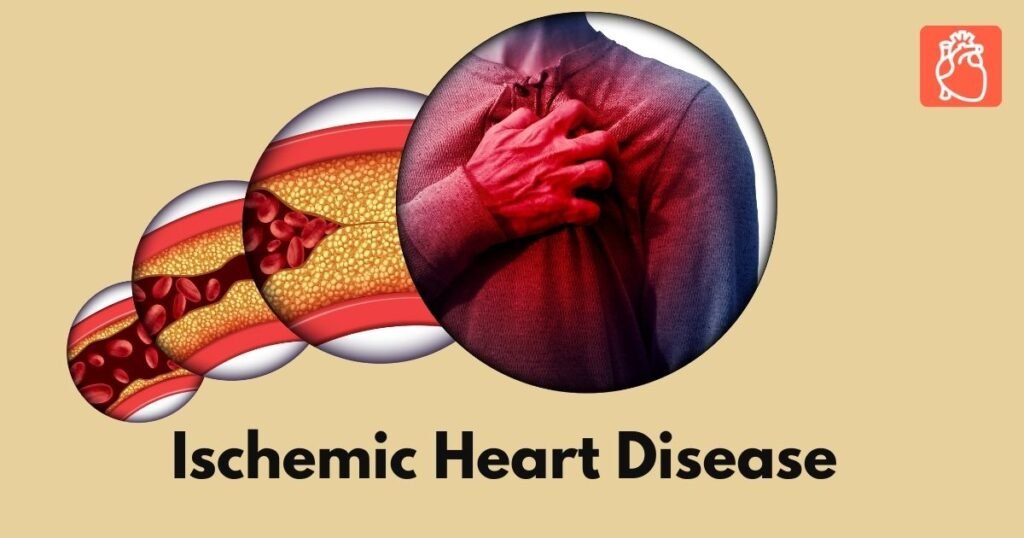
- A heart attack occurs when a plaque in a coronary artery ruptures and a clot suddenly blocks blood flow; high LDL, high blood pressure, high sugar, and smoking make plaques inflamed and fragile.
- Triggers like pollution spikes, severe stress, or infections can tip an already inflamed plaque into rupture, causing sudden artery blockage and heart muscle damage.
What you can do now
- Know and control your numbers: blood pressure, LDL‑C, HbA1c, and waist/BMI; use lifestyle changes and evidence‑based medications when indicated (CDC; AHA Statistics At‑a‑Glance).
- Move regularly per guidelines, prioritize minimally processed foods, avoid tobacco/vaping, improve sleep and stress management, and reduce exposure on high‑pollution days (AHA activity evidence; WHO guidance; PM2.5 literature).
FAQs
Q1. Why are heart attacks increasing nowadays?
- More people develop high blood pressure, diabetes, obesity, and high LDL earlier in life, while pollution, stress, and care gaps act as triggers that convert risk into events.
Q2. Are young adults really at risk of heart attacks?
- Yes, trends show rising risk factors and early heart attacks among younger adults, driven by lifestyle, stress, and vaping/smoking behaviors.
Q3. Does air pollution cause heart attacks?
- Short‑term spikes and long‑term exposure to PM2.5 increase inflammation and clotting, raising the risk of heart attacks and other cardiovascular events.
Q4. Did the COVID‑19 era affect heart attack trends?
- Care delays and disrupted risk‑factor control contributed to worsening cardiovascular outcomes and higher mortality in some settings.
Q5. If hospital care for heart attacks has improved, why are totals still high?
- Survival after acute events improved, but aging populations and growing risk factor prevalence increase the number of people living long enough to experience events.
Q6. What’s the simplest prevention checklist?
- Keep blood pressure, LDL‑C, HbA1c, and waist/BMI in target ranges; exercise regularly; eat minimally processed foods; don’t smoke or vape; manage stress; and limit exposure on high‑pollution days.

Pingback: Ischemic Heart Diseases: Causes, Symptoms, Diagnosis, and Treatment - NCDs: Chronic Disease Prevention, Management, and Wellness