Cancer is a leading global health challenge, affecting millions yearly and remaining a top cause of mortality across all populations. This detailed article provides an in-depth, research-backed exploration of cancer’s definition, causes, risk factors, symptoms, diagnostic process, treatment options, prevention strategies, and survivorship—ensuring both clarity for the general public and compliance with quality standards essential for Google AdSense.
What is Cancer?
Cancer describes a group of diseases characterized by the uncontrolled growth and spread of abnormal cells in the body. These cells can form tumors (solid or liquid) that invade nearby tissues and can metastasize, or spread, to other organs, which is a major cause of cancer-related deaths.
Global Impact and Statistics
- In 2025, over 2 million new cancer cases and more than 600,000 cancer deaths are projected in the U.S. alone.
- Worldwide, approximately 10 million people died from cancer in 2020.
- An estimated 1 in 5 individuals will develop cancer at some point in their life.
- Most common cancers globally include breast, lung, colon and rectum, prostate, and stomach cancers.
Causes and Risk Factors
Cancer results from genetic mutations triggered by a mixture of external and internal factors:
- Lifestyle: Smoking, alcohol use, obesity, physical inactivity, and poor diet increase risk.
- Environment: Exposure to carcinogens like radiation, pollution, and occupational chemicals.
- Infections: HPV, hepatitis B/C, and H. pylori are common infection-related cancer causes.
- Genetics: Family history and inherited gene mutations.
- Age: Cancer risk rises with age due to accumulated cellular damage.
Symptoms and Early Warning Signs
Symptoms are often non-specific but can include:
- Unexplained weight loss
- Fatigue
- Lumps or thickened tissue
- Changes in skin (e.g., moles, sores that do not heal)
- Persistent cough, breathlessness, or voice changes
- Changes in bowel or bladder habits
- Persistent pain or unexplained bleeding
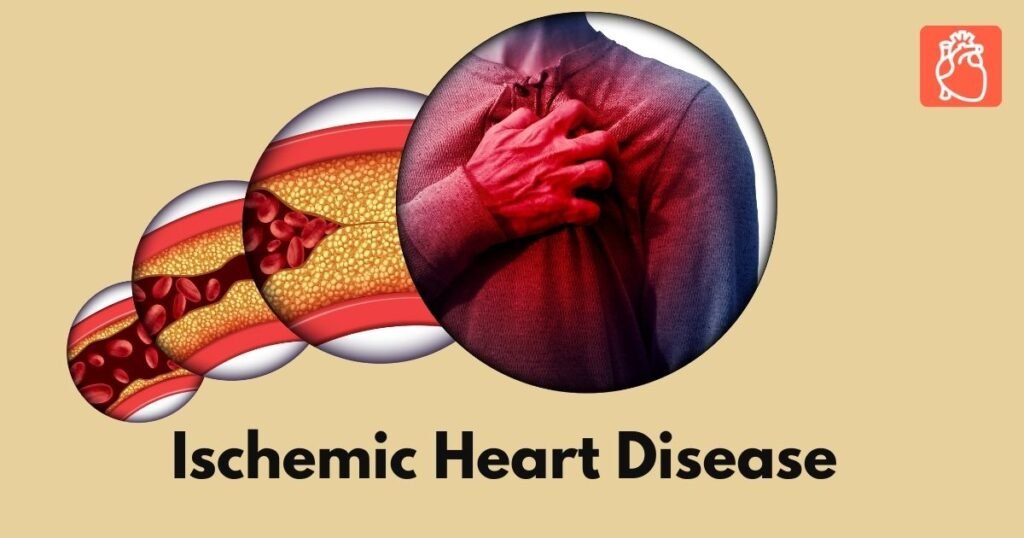
Also Read: Ischemic Heart Diseases: Causes, Symptoms, Diagnosis, and Treatment
Diagnosis
Early diagnosis is crucial and involves:
- Medical history and physical examination
- Laboratory tests (blood, urine)
- Imaging (MRI, CT, PET scans, X-ray)
- Biopsy (removal and analysis of tissue sample)
Types of Cancer
The most prevalent types are:
- Breast cancer
- Lung cancer
- Colorectal cancer
- Prostate cancer
- Non-melanoma skin cancer
- Stomach, liver, and ovarian cancers
Cancer Treatment Options
Cancer treatment is highly personalized and depends on the cancer type, stage, and patient factors:
- Surgery: Removal of tumor or affected tissue.
- Chemotherapy: Use of drugs to destroy cancer cells.
- Radiation Therapy: Targeted energy to kill cancer cells.
- Immunotherapy: Boosting the immune system to combat cancer.
- Targeted Therapy: Medications that target specific genetic changes.
- Hormonal Therapy: Blocking hormones that fuel certain cancers.
- Cellular Therapies (e.g., CAR T-cell): Emerging for hematologic and some solid cancers.
- Palliative Care: Managing symptoms and improving quality of life.
Latest Innovations
Cutting-edge treatments, like CAR T-cell therapy, immunotherapies, and precision medicine, are transforming care and improving outcomes, especially for blood cancers and metastasized solid tumors.
Prevention and Screening
- 30–50% of cancers are preventable with healthy lifestyle choices and avoidance of risk factors.
- Screening procedures (mammograms, colonoscopies, Pap smears, PSA testing) can detect cancer early, improving survival and outcomes.
- Vaccines: HPV and hepatitis B vaccines prevent infection-related cancers.
Survival and Prognosis
Thanks to advances in prevention, screening, and treatment:
- The five-year relative survival rate for all cancers has risen to about 70% in developed countries.
- As of 2025, there are over 18 million cancer survivors in the U.S. alone, expected to increase further.
- Survival rates vary by cancer type, stage at detection, and access to timely, effective treatment.
Living with Cancer and Survivorship
Managing cancer extends beyond physical treatment:
- Psychological and social support are vital.
- Survivors must cope with long-term effects, recurrence anxiety, and quality-of-life concerns.
- Ongoing follow-up care is essential for optimal recovery and well-being.
Key Takeaways
- Cancer encompasses many diseases but shares common risk factors and preventive strategies.
- Early detection through screening saves lives and is just as important as new therapies.
- Advances in genetics, immunology, and precision medicine continue to transform cancer care.