
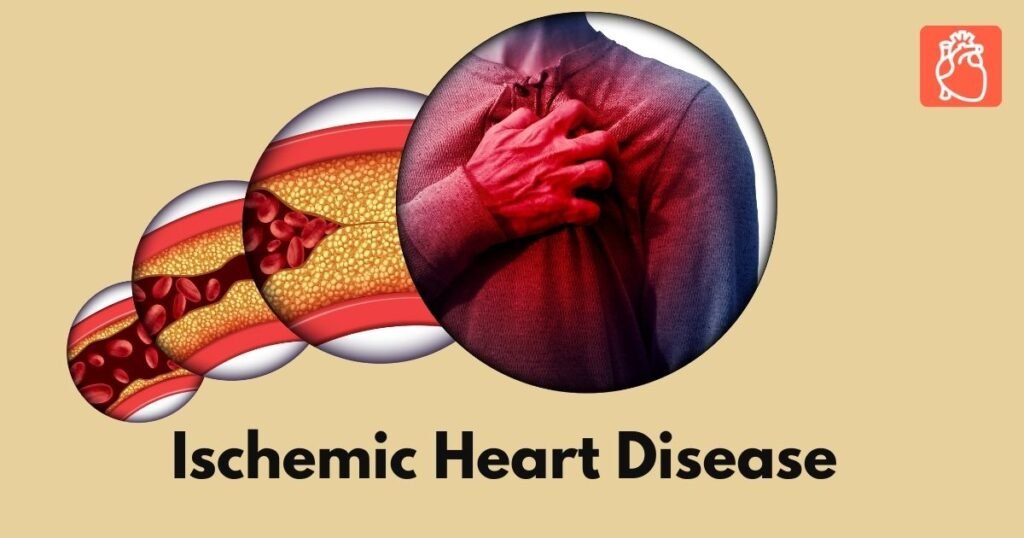
Ischemic Heart Disease (IHD), also known as coronary artery disease (CAD) or coronary heart disease (CHD), is a major global health concern characterized by reduced blood supply to the heart due to narrowed or blocked coronary arteries. This ischemia leads to decreased oxygen delivery to the heart muscle, increasing the risk of heart attacks, heart failure, and other complications.
What Is Ischemic Heart Disease?
Ischemic heart disease results from a process called atherosclerosis, where cholesterol-rich plaques build up in the arteries, narrowing them and restricting blood flow. Over time, this may weaken the heart muscle, cause chest pain (angina), and increase the risk of a heart attack. Chronic cases can lead to congestive heart failure and arrhythmias.
Also Read: Top 7 reason why heart attack are increasing nowadays? – Non-Communicable Disease
Risk Factors
Several factors heighten the likelihood of developing ischemic heart disease, including:
- Unhealthy diet high in saturated fats and sugars
- Physical inactivity
- Smoking and frequent alcohol consumption
- High blood pressure (hypertension)
- High cholesterol levels
- Diabetes and obesity
- Family history of cardiovascular disorders
Modifiable risk factors, such as diet, activity, and smoking, play a significant role in prevention. Non-modifiable factors include age, sex, and genetics.
Symptoms
Symptoms of IHD can be:
- Chest pain or discomfort (angina), usually triggered by exertion or stress
- Shortness of breath
- Fatigue
- Nausea or sweating
- Silent ischemia: heart damage without noticeable symptoms, sometimes detected only through diagnostic tests.
Diagnosis
Diagnosis involves:
- Thorough medical history and physical examination
- Electrocardiogram (ECG/EKG) to assess heart rhythms
- Echocardiogram for detailed heart structure and function
- Stress tests to check for exercise-related changes
- Cardiac catheterization and coronary angiogram in high-risk or unclear cases
- Blood tests for cholesterol, blood sugar (HbA1c), and kidney function.
Management and Treatment
Managing IHD focuses on symptom relief, risk reduction, and preventing further damage:
- Medications: Aspirin, beta-blockers, statins, nitrates, and other drugs for blood pressure, cholesterol, and clot prevention.
- Lifestyle changes: Healthy diet, regular exercise, stress management, weight control, and stopping smoking.
- Medical Procedures: Coronary angiography, stents (PCI), or coronary artery bypass surgery may be considered for severe cases.
- Long-term care includes regular monitoring and secondary prevention with anti-thrombotic and lipid-lowering therapies.
Prevention
Up to 90% of IHD cases may be preventable with targeted strategies:
- Adopting heart-healthy habits (diet, activity, tobacco avoidance)
- Managing underlying conditions (diabetes, hypertension, obesity)
- Routine monitoring of blood pressure, cholesterol, and glucose
- Primordial prevention such as policy interventions (smoking bans, healthy food access) can reduce population-level risks.
Conclusion
Ischemic heart disease is primarily caused by modifiable lifestyle and health factors, and with early recognition and effective management, most complications can be prevented. Building awareness about prevention and adopting healthy habits are critical to reducing the burden of this condition. Regular checkups, controlling risk factors, and prompt treatment can save lives and improve quality of life.


Pingback: Difference Between Non-Communicable Diseases and Communicable Diseases - Non-Communicable Disease
Pingback: Top 7 reason why heart attack are increasing nowadays? - Non-Communicable Disease
Pingback: Cancer: Causes, Types, Symptoms, Diagnosis, and Treatment - NCDs: Chronic Disease Prevention, Management, and Wellness